Opening soon · Kennington SE11
Something to smile about.
A boutique, independent dental practice opening soon in the heart of Kennington village, providing you with thoughtful, high-quality care in a calm setting.
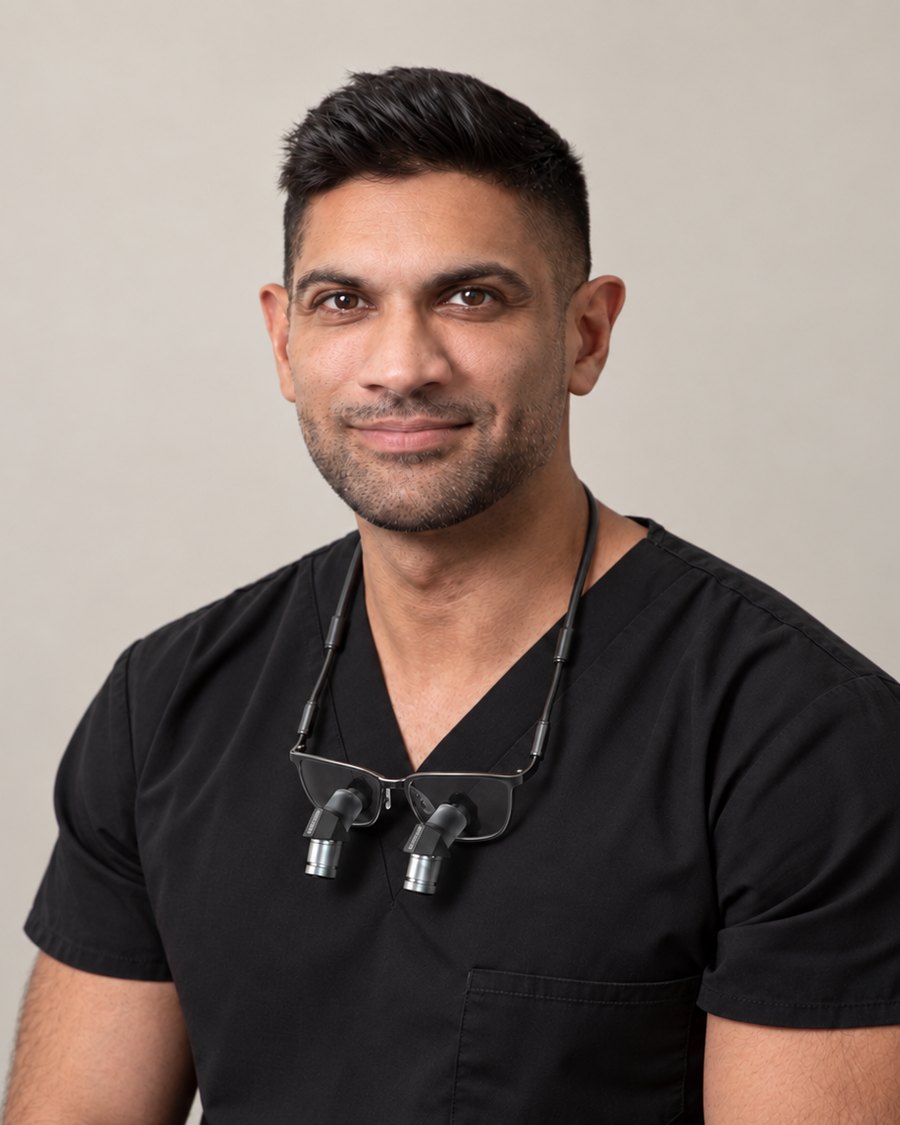
Your dentist
Dr Kamal Akbar
An award-winning dentist with over a decade in private practice. Advanced training in implantology, and comprehensive experience across every aspect of restorative and cosmetic dentistry, from simple fillings to creating the smile you've always wanted.
Kennington Park Dental Studio combines modern dentistry with a warm, personal approach. We listen, explain your options clearly and help you choose the care that feels right for you.
Treatments
What we do
Examination & hygiene
Thorough examinations, and hygiene care that keeps teeth and gums healthy between visits.
Read moreFillings, crowns & root canals
Repairing and protecting natural teeth, with tooth-coloured materials.
Read moreDental implants
Replacing missing teeth with a secure, natural looking solution.
Read moreOrthodontics
Invisalign® clear aligners, for adults who would rather not announce it.
Read moreFacial aesthetics
Consultation-led treatment of lines, skin quality and jaw clenching.
Read moreSee everything we do
The full list, with what each treatment involves.
All treatmentsFees
Clear fees, no surprises.
A written estimate before treatment begins. Implant, Invisalign and facial aesthetics consultations are free.
- New patient examination, including X-rays
- £60
- Hygiene appointment
- £75
- Dental implant, including crown
- from £2,000
- Clear aligner treatment
- £1,250 to £4,000
- Implant, Invisalign and facial aesthetics consultations
- Free
Prevention
Helping you stay healthy
Healthy teeth need more than repairs. We identify risks early, explain what is causing them, and help you prevent decay and gum disease with practical advice and regular care.
Find us
337 Kennington Road, SE11 4QE
Five minutes from Kennington station and six from Oval, with bus stops directly outside.

Exterior photography to follow
Be the first to know when we open
Leave your email and we'll let you know as soon as appointments open.
One email when we open. Nothing else.
Our boutique practice has been designed around your comfort, creating a calm space where you can feel at ease from your first visit.
We believe good care starts with listening. That means taking time to understand your concerns, explaining your options clearly and helping you make informed decisions about your treatment. Whether you're visiting for a routine check-up or considering a change to your smile, your care will be tailored to your needs.
Our approach combines a commitment to high-quality dentistry with kindness, respect and attention to detail. If you feel nervous about visiting the dentist, we'll take things at your pace and work with you to build confidence.
We look forward to welcoming you to Kennington Park Dental Studio.
The studio
A calm space, designed around you.
Our practice on Kennington Road has been built from the ground up as a modern clinical environment, with a reception and waiting area designed to feel calm, comfortable and welcoming.

Interior photography to follow
Opening soon
We're preparing to open at 337 Kennington Road. Register your interest and we'll be in touch as soon as the diary opens.
Dr Kamal Akbar
Principal Dentist · GDC 193184
BDS (Merit), King's College London, 2010 (UK)
Member of the Joint Dental Faculties, Royal College of Surgeons of England, 2012 (UK)
Postgraduate Certificate in Facial Aesthetics (Distinction), University of Ulster, 2021 (UK)
Diploma in Implantology & Oral Surgery (Distinction), London Dental Institute, 2026 (UK)
Dr Kamal graduated from King's College London in 2010, having trained at Guy's, King's and St Thomas' dental hospitals where he was awarded the Maurice B Rothschild award for excellence in endodontics. Soon after qualifying, he gained Membership of the Joint Dental Faculties of the Royal College of Surgeons of England. He enjoys all aspects of general dental practice, with particular interests in implant dentistry, Invisalign® orthodontics and cosmetic dentistry.
Passionate about education, Dr Kamal was appointed a dental foundation trainer early in his career, supporting newly qualified dentists through their first year in practice. He continues to expand his expertise through advanced training, including surgical courses in bone grafting and sinus lifts, and completed his Diploma in Implantology and Oral Surgery with distinction in 2026. He also lectures on safeguarding in dentistry and champions the use of digital technology in general practice.
He brings over 15 years of experience in facial aesthetics. Following foundation and advanced training in injectable facial treatments, he completed a Postgraduate Certificate in Facial Aesthetics at Ulster University, graduating with distinction in 2021 and training under renowned plastic surgeon Professor Ali Ghanem.
Kind and empathetic, Dr Kamal takes time to help patients feel comfortable, heard and understood, particularly those who feel nervous about dental treatment. His approach centres on treating every patient with kindness, respect and dignity, while providing high-quality dentistry in a calm and welcoming environment.
Outside the practice, Dr Kamal enjoys keeping active and can usually be found at the gym each morning. A former skydiver, he has completed over 600 skydives and wingsuit flights and was awarded Wingsuit Coach status by the British Parachute Association.
Joining us before we open
- Dental Hygienist, to be appointed
- Registered Dental Nurse, to be appointed
Examination
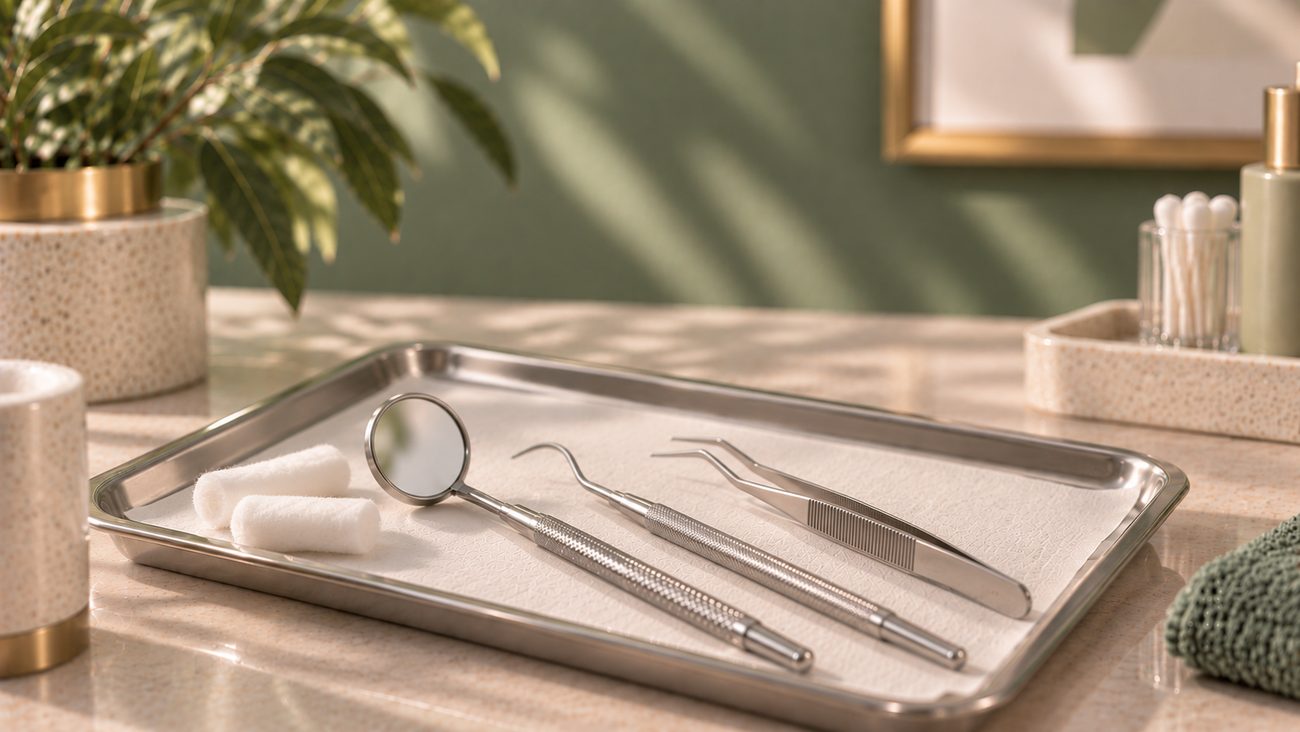
Healthy smiles start with thoughtful, thorough care. Our dental examinations go beyond your teeth and gums, taking a wider look at your oral health.
We carry out an in-depth assessment of your teeth, gums and surrounding soft tissues, including your tongue, cheeks and lips. We also assess your jaw joints and muscles, how your teeth come together when you bite, and even your salivary glands. This helps us build a comprehensive picture of your oral health and identify concerns early.
Throughout your appointment, we take time to listen to any concerns, explain our findings and discuss your options clearly. You'll receive personalised advice and a treatment plan tailored to you.
Hygiene
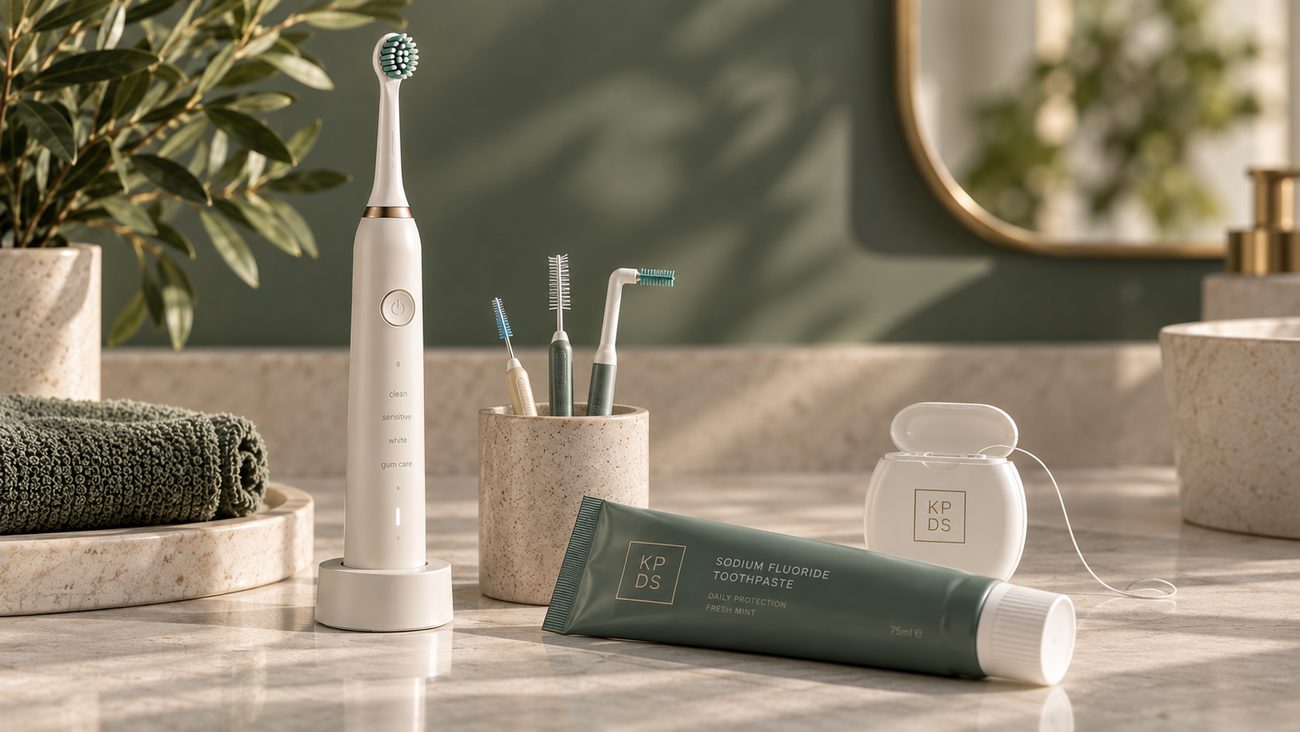
Hygiene appointments are an important part of preventing and managing gum disease. We carefully remove plaque and hardened calculus from areas that are difficult to clean at home, helping to reduce inflammation, protect the tissues supporting your teeth and leave your mouth feeling clean and fresh.
We'll identify areas that need more attention, demonstrate effective brushing and interdental-cleaning techniques, and recommend appropriate tools, giving you practical, achievable ways to maintain healthy teeth and gums between visits.
Fillings
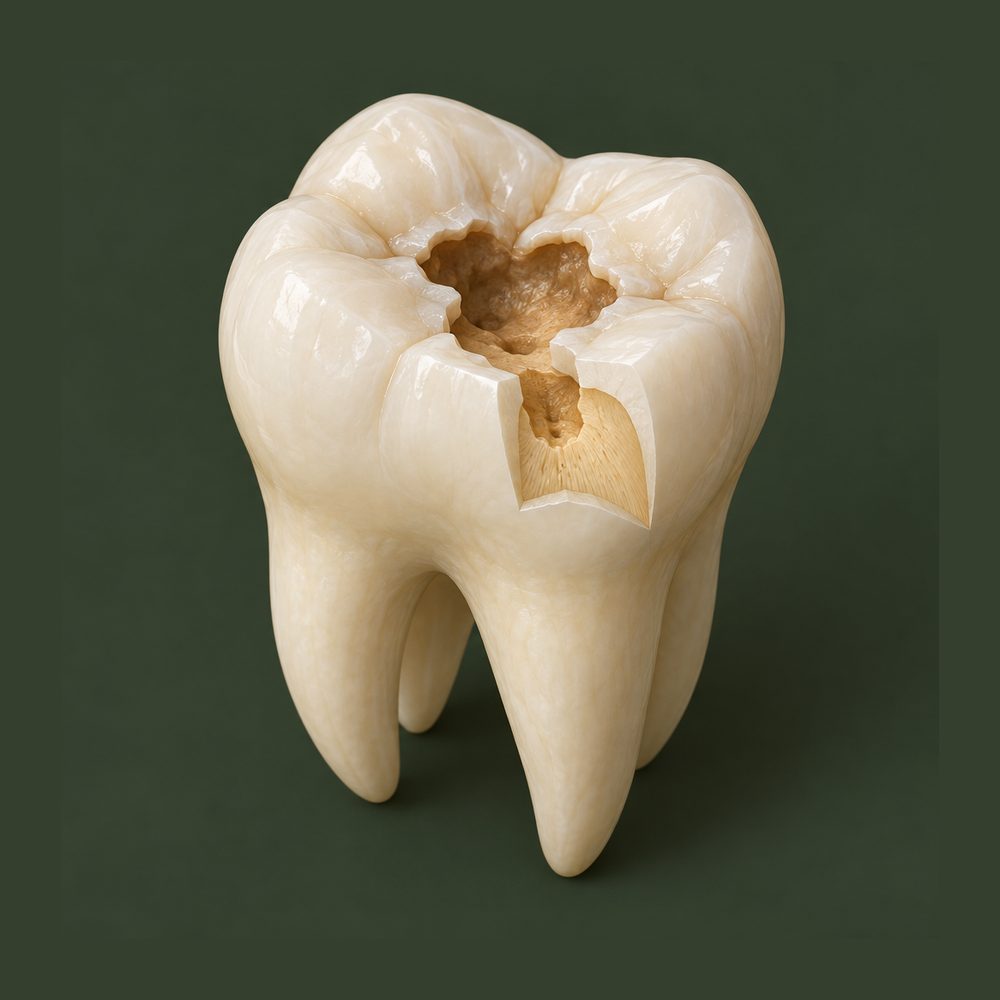
Repairing and protecting your natural teeth is at the heart of restorative dentistry. At Kennington Park Dental Studio, we use white, tooth-coloured composite fillings to repair teeth affected by tooth decay, chips or small fractures. These fillings restore the tooth's shape and function while blending naturally with your smile.
Crowns and onlays
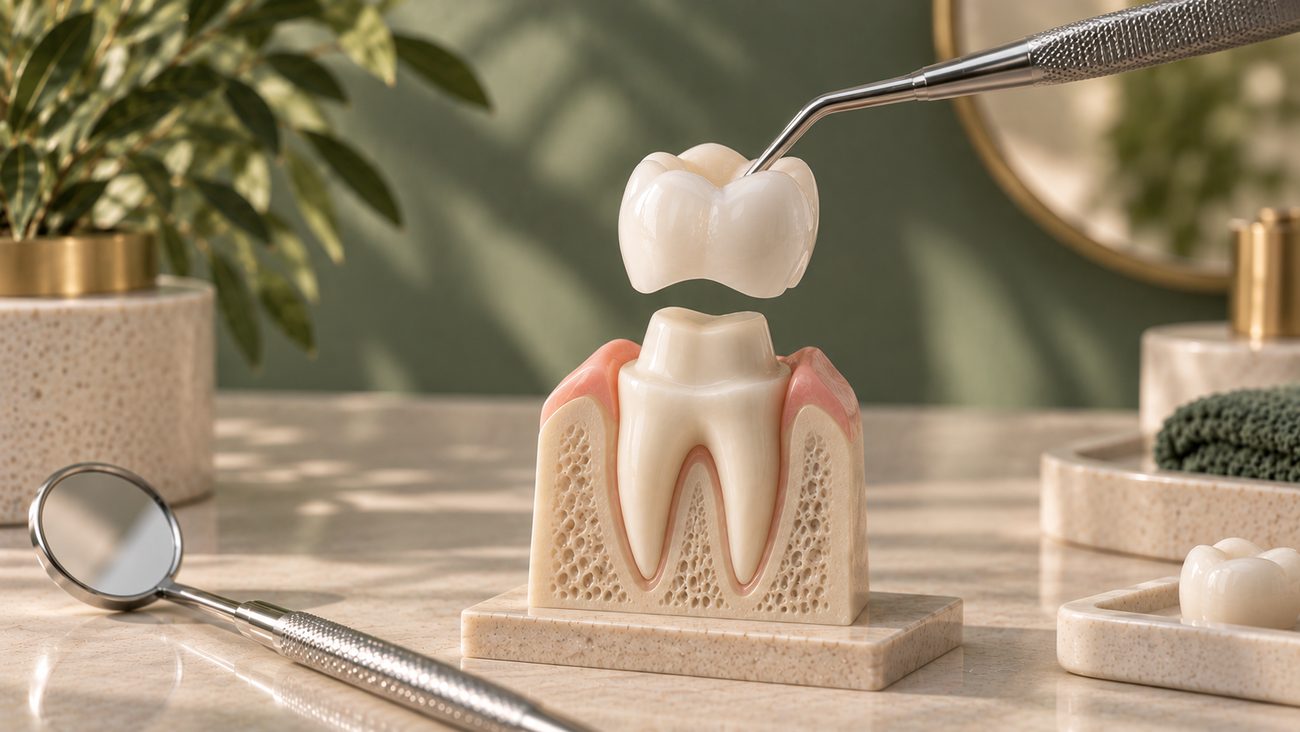
When a tooth is too damaged or weakened to support a filling alone, a crown or onlay can help restore its strength, shape and function. A crown covers the whole visible part of the tooth, while an onlay covers only the areas that need rebuilding, preserving more of your natural tooth where possible. Both are custom-made to fit your tooth and bite.
Root canal treatment
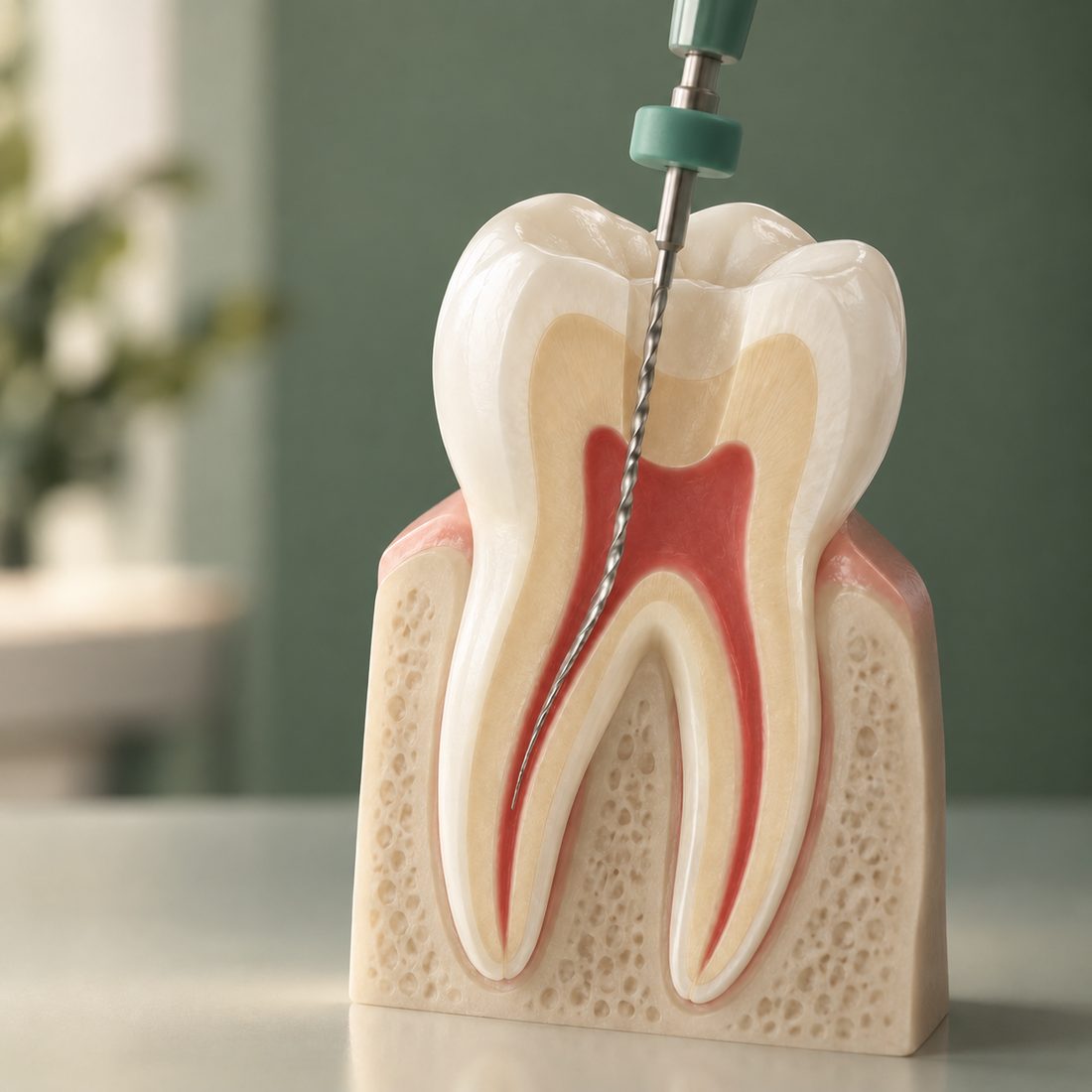
Root canal treatment gives us the chance to preserve a tooth when the soft tissue inside, known as the pulp, becomes inflamed or infected. We carefully remove the affected tissue, then clean, disinfect and shape the root canals before filling and sealing them. Using local anaesthetic and modern techniques, we aim to keep you comfortable throughout, taking time to explain each step. A crown or onlay may then be recommended to strengthen and protect the tooth.
Extractions
Keeping your natural teeth is always our priority, but sometimes a tooth is too damaged to be repaired. If an extraction is needed, we'll explain the reasons clearly and make sure you understand what to expect before, during and after treatment. We'll also discuss whether the tooth needs replacing and guide you through the options, with a plan tailored to your needs.
Gum health & periodontal care

Healthy gums provide the foundation for a healthy smile. Periodontal disease, often called gum disease, affects the tissues that support your teeth. It can begin with swollen or bleeding gums and, if it progresses, lead to loss of the bone around your teeth. Because it is often painless, you may not realise it is developing.
We carry out a detailed assessment of your gum health, checking for bleeding, measuring the spaces between your teeth and gums, and assessing the supporting bone where needed. This helps us understand the extent of any disease and create a care plan tailored to you.
Treatment focuses on controlling inflammation and removing the plaque and hardened deposits above and below the gumline. Where deeper cleaning is needed, we can use local anaesthetic to keep you comfortable. We'll also help you develop an effective cleaning routine at home, an essential part of keeping gum disease under control.
Periodontal care is an ongoing partnership. Although lost bone support cannot always be restored, treatment and regular maintenance can help stabilise the condition and protect your teeth. We'll monitor your progress closely and discuss specialist care if further treatment is needed.
Whitening, bonding & veneers
Tooth whitening
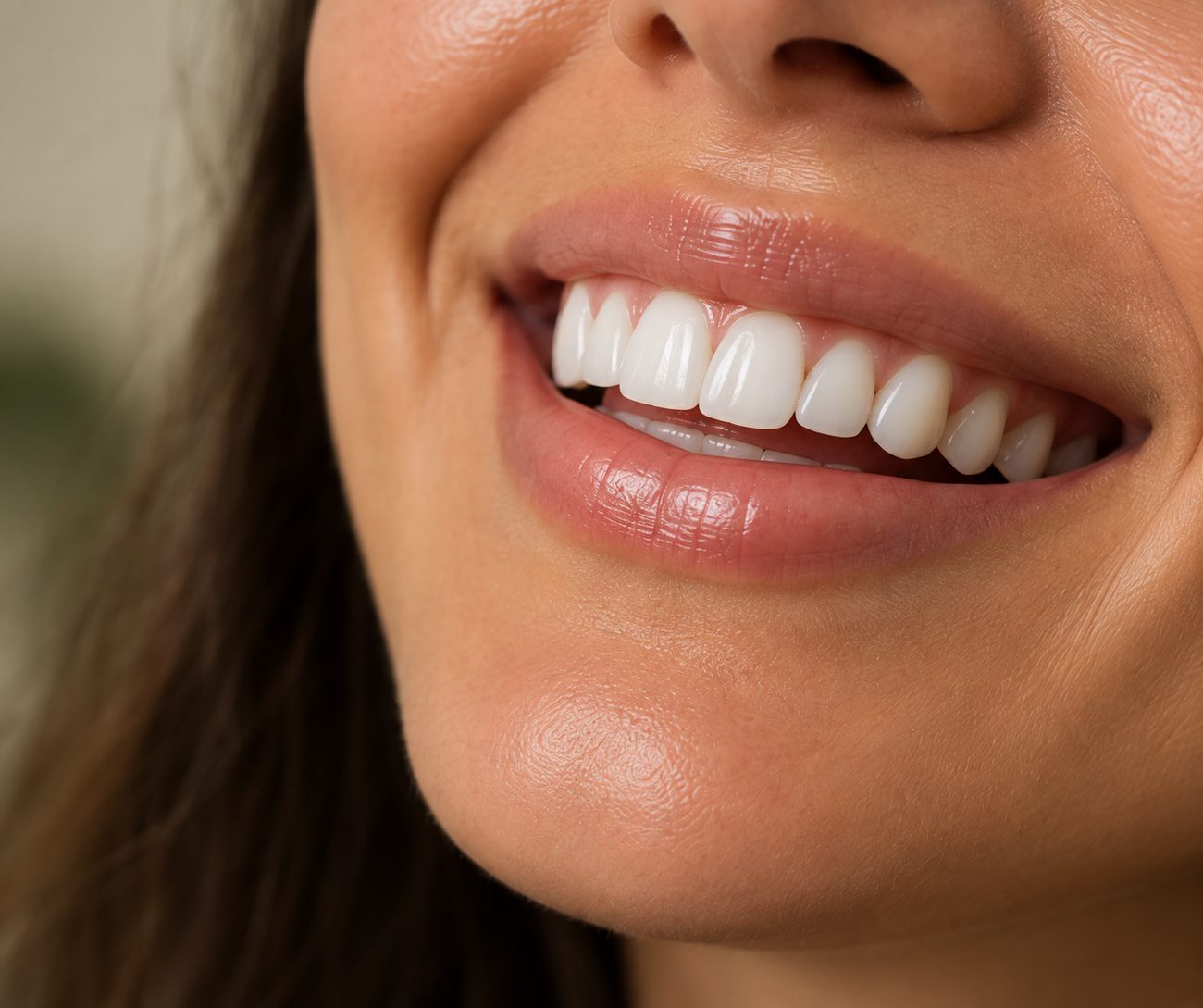
Professional tooth whitening can brighten your smile while preserving the natural shape of your teeth. At Kennington Park Dental Studio, we offer dentist-supervised home whitening, allowing you to gradually lighten your teeth at a time that suits your routine.
We begin with an examination of your teeth and gums to check that whitening is suitable and discuss the results you'd like to achieve. We then create custom-made trays that fit closely over your teeth, holding the prescribed whitening gel in place.
Your first application takes place at the practice under professional supervision. You'll then continue at home, with clear instructions on how much gel to use and how long to wear your trays. Depending on the system prescribed, these may be worn during the day or overnight. Treatment usually takes a few weeks, although the time needed and final shade vary from person to person.
Temporary tooth sensitivity or gum irritation can occur during whitening. We'll explain how to manage this and support you throughout treatment. Whitening only changes the colour of natural teeth; existing fillings, crowns and veneers will not lighten.
Cosmetic whitening is available to patients aged 18 and over, subject to a dental assessment. We'll also advise you on maintaining your results and whether occasional top-ups are appropriate.
Composite bonding
Small changes can make a meaningful difference to your smile. Composite bonding uses tooth-coloured resin to refine the shape of teeth, repair small chips, close minor gaps and improve uneven edges.
The material is carefully applied, shaped and polished to blend with your natural teeth. Treatment can often be completed in a single appointment, usually with little or no removal of healthy tooth structure.
We'll discuss the changes you'd like to make and assess your teeth and bite to ensure bonding is suitable. Composite can stain or chip over time and may need polishing, repair or replacement. Regular care and a good cleaning routine will help keep it looking its best.
Veneers
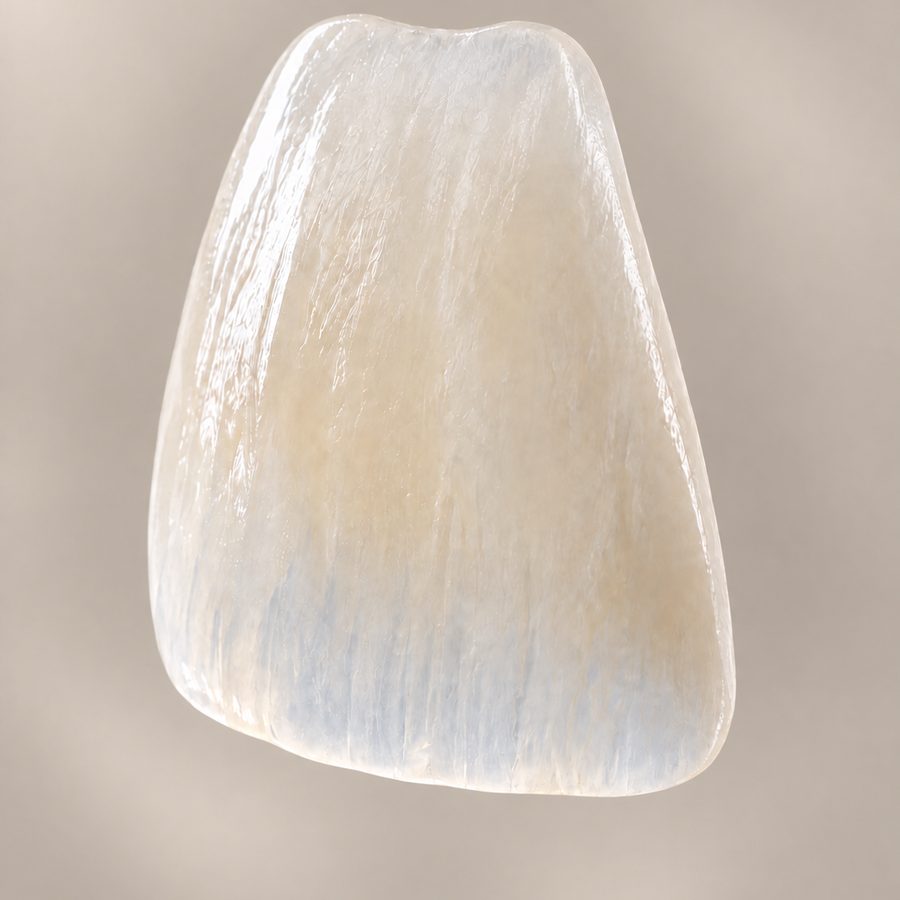
Veneers are thin, custom-made porcelain coverings fitted to the front of teeth to improve their shape, colour and proportions. They can help address concerns such as persistent discolouration, worn or chipped edges and unevenly shaped teeth.
We take time to understand your preferences and plan a result that complements your smile. Using digital smile design, we plan the proposed changes before preparing your teeth, giving you the opportunity to explore the intended result and discuss any refinements. Each veneer is carefully designed with your tooth shape, shade and bite in mind.
Veneers may require some enamel to be removed, making treatment an irreversible commitment. We'll explain what is involved and discuss alternatives such as whitening or composite bonding so you can make an informed choice. With good care and regular reviews, veneers can provide a lasting result, although they may need replacing over time.
Dental implants
Implants replace the roots of missing teeth, providing firm support for a crown, a bridge or a denture. They look, feel and are cleaned like natural teeth, and unlike a bridge they do not rely on the teeth either side of the gap.
Orthodontics
Clear aligner treatment with Invisalign®, a discreet way to straighten teeth using a series of removable, transparent trays. They come out to eat and to clean your teeth, and at conversational distance most people will not notice them.
Facial aesthetics
Consultation-led treatment of lines, wrinkles, skin quality and jaw clenching, carried out in a clinical room by a dentist. Every treatment begins with a full assessment of your face, your medical history and what can realistically be achieved.
Jaw pain, clenching and grinding
Many people clench or grind their teeth without realising, often during sleep. Over time this wears down enamel, cracks fillings and crowns, and leaves the jaw muscles tired and sore. The clinical term for the grinding itself is bruxism; problems affecting the jaw joint and the muscles around it are known as temporomandibular disorders, or TMD.
Common signs include jaw ache or stiffness in the morning, headaches on waking, clicking or discomfort in the joint just in front of the ear, teeth that have become sensitive or visibly flattened, and restorations that keep breaking.
Assessment
We examine your teeth for patterns of wear, check how your teeth meet when you bite, and assess the jaw joints and the muscles around them. Understanding what is driving the problem matters, because grinding, joint problems and bite issues are managed differently.
Night guards and splints
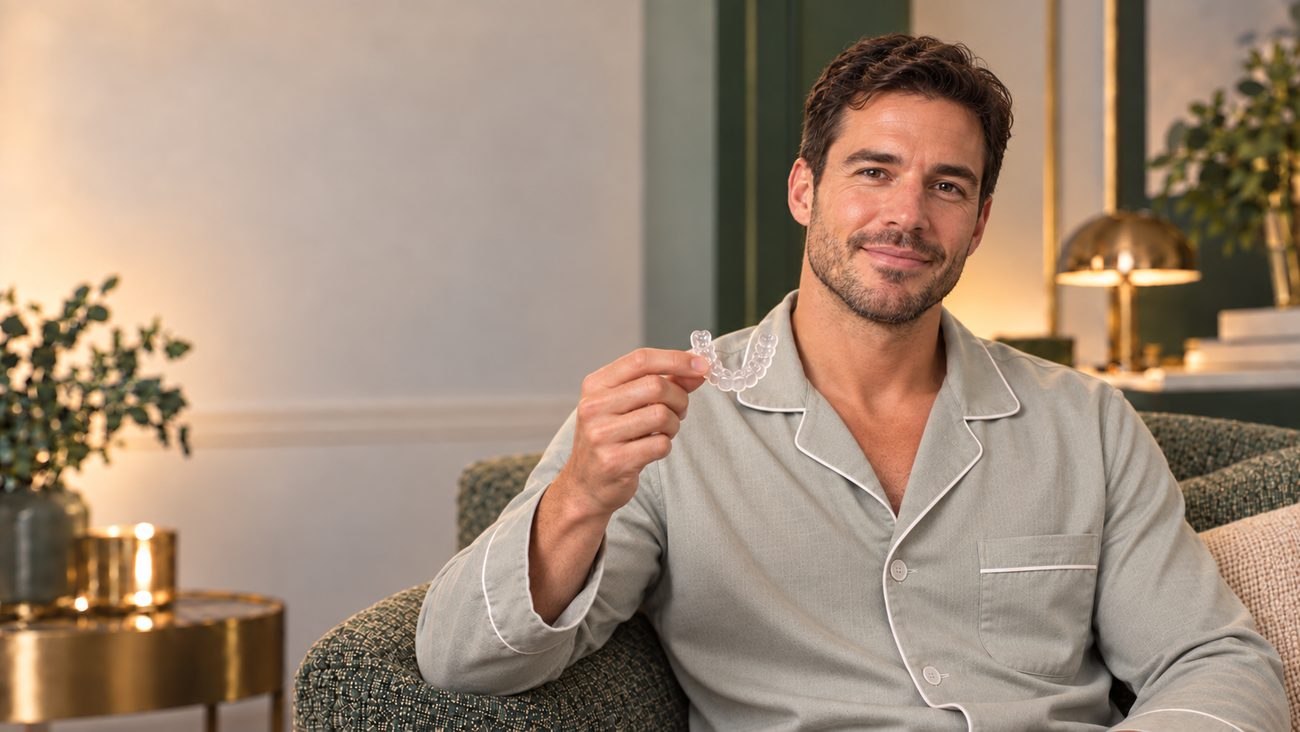
A custom-made guard worn at night protects your teeth from further wear and can ease muscle discomfort. A soft night guard suits lighter grinding. A Michigan splint is a harder, precisely adjusted appliance used where the joint and muscles need more support. Both are made to fit your own teeth, and we will explain which is appropriate for you and why.
Injections to relieve muscle tension
Where the clenching muscle itself is the main source of the problem, treatment to relax that muscle can be considered alongside an appliance. This is assessed and discussed with you in person at a face-to-face consultation. You can read more on our facial aesthetics page.
Sports mouthguards
A custom-made mouthguard protects the teeth, lips and jaw during contact sport, and fits far better than anything bought over the counter. We make these for adults and children.
Children's dentistry
We recommend bringing your child for their first dental visit as soon as their first baby tooth appears, usually between six and twelve months of age. These early visits help your child become familiar with the dental setting and give you practical advice from the very beginning.
The first appointment is as much about supporting parents as it is about checking little teeth. We'll guide you through brushing, choosing an appropriate toothpaste and developing healthy eating habits, with plenty of time to answer your questions. Our aim is to help you feel confident caring for your child's teeth and lay the foundations for a lifetime of good oral health.
Snoring, sleep apnoea & mandibular advancement devices
Snoring can disturb your sleep and your partner's, but sometimes it also signals an underlying breathing problem. Understanding the cause is the first step towards finding appropriate treatment.
When is snoring a concern?
Obstructive sleep apnoea occurs when the airway repeatedly narrows or closes during sleep, interrupting normal breathing. Signs can include loud snoring, witnessed pauses in breathing, waking with choking or gasping, morning headaches and excessive daytime tiredness.
Not everyone who snores has sleep apnoea. However, if your symptoms suggest it, assessment through your GP or a sleep service is important before starting treatment for snoring. A sleep study may be needed to establish the diagnosis and severity.
What is a mandibular advancement device?
A mandibular advancement device, or MAD, is an appliance worn over your teeth during sleep. It holds your lower jaw slightly forward, helping keep the airway open. It may reduce snoring and can be used to manage obstructive sleep apnoea in suitable patients.
A custom-made device is fitted to your teeth, with adjustments made gradually to find an effective and tolerable position.
Is a device suitable for me?
Suitability depends on your sleep assessment and the health of your teeth, gums and jaw joints. We assess your mouth and bite to establish whether you can comfortably support and wear an appliance.
For diagnosed sleep apnoea, treatment should be coordinated with your sleep clinician. A MAD may be considered when continuous positive airway pressure (CPAP) is declined or cannot be tolerated. It should not replace prescribed CPAP without discussion with your treating clinician.
What should I expect?
Getting used to the appliance can take time. Possible side effects include increased saliva, dry mouth, tooth tenderness and jaw discomfort. Longer-term use can also change tooth positions or the way your teeth meet, making regular dental reviews important.
We'll check the fit, monitor your teeth and bite, and review how you're managing with the device. If you have sleep apnoea, follow-up with your sleep service, including repeat sleep testing where appropriate, helps establish whether treatment is controlling the condition. Quieter snoring alone does not confirm that sleep apnoea has been adequately treated.
Emergency dental appointments
Dental pain or an unexpected problem can be worrying. Whether you have toothache, swelling, a broken tooth, a lost filling or crown, or just a lump or bump that seems concerning, contact our team so we can help arrange an appropriate appointment.
At your visit, we'll carefully assess the problem, explain our findings and discuss your treatment options. Our immediate priority is to ease discomfort and address any urgent concerns, while helping you feel comfortable and informed throughout.
Where possible, we'll provide treatment at the appointment. If further care is needed, we'll explain the next steps and put a plan in place to get your oral health back on track.
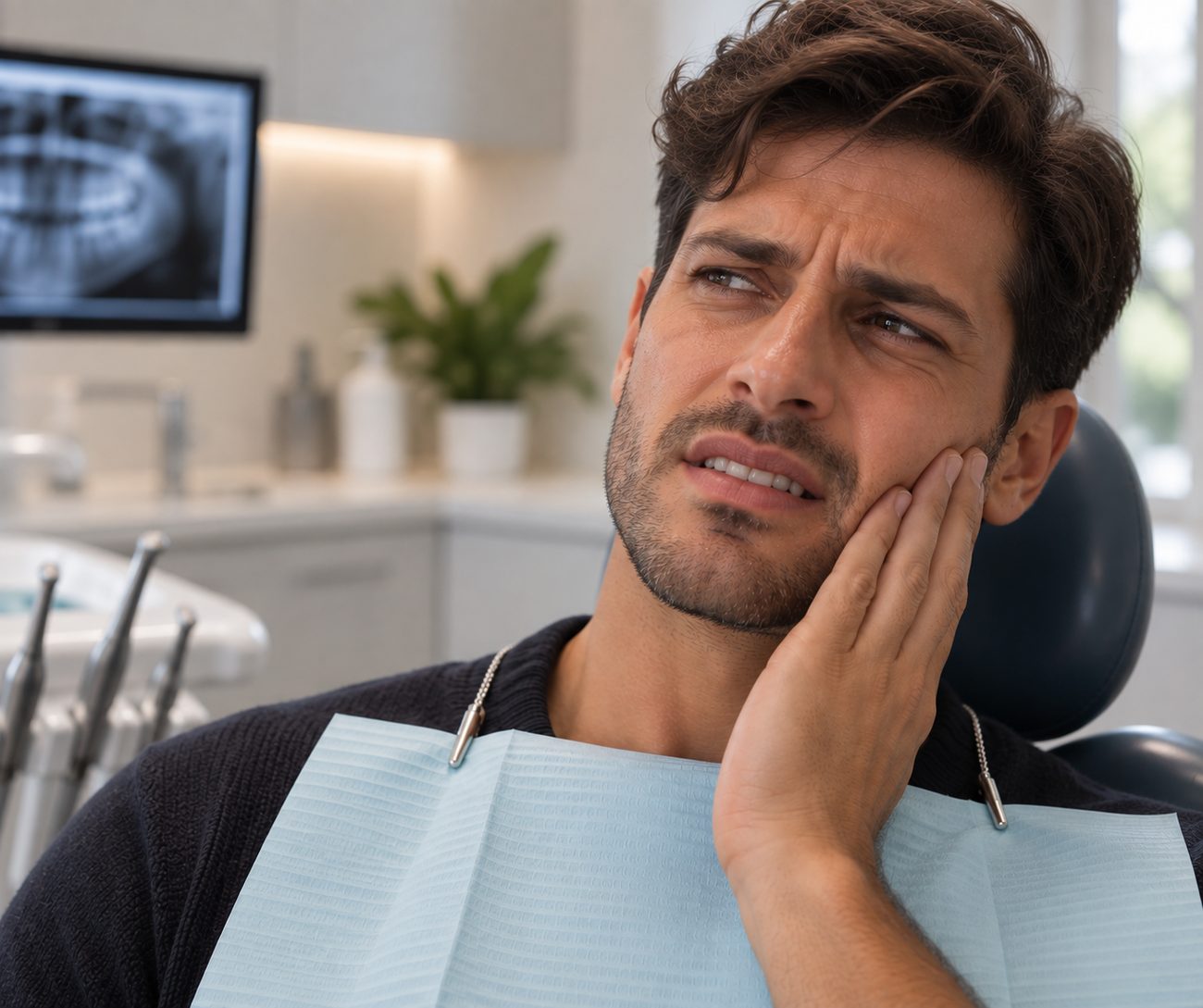
Whether you're replacing a single tooth or exploring an alternative to loose dentures, implants can help restore comfortable chewing and confidence in your smile.
What is a dental implant?
A dental implant is a small titanium screw placed in the jawbone. As it heals, the surrounding bone bonds with its surface, creating a stable foundation to support your replacement tooth or teeth.
A single implant can support an individual crown, while several implants can support a bridge or help secure a removable denture. You do not necessarily need an implant for every missing tooth. The arrangement depends on the teeth being replaced, the available bone and how your teeth meet when you bite.
Is implant treatment right for you?
Successful implant treatment starts with healthy foundations. Your assessment includes checking your teeth, gums, bite and the bone available to support an implant. We also review your medical history and medications. X-rays allow us to examine the area in greater detail.
Gum disease should be brought under control before implant treatment. Smoking and some medical conditions can also affect healing and increase the risk of complications. These factors do not always rule out implants, but they need to be considered when deciding whether treatment is appropriate.
We'll explain how implants compare with other options, including bridges, dentures or leaving a space where appropriate, so you can weigh up the benefits, limitations and costs.
What if there isn't enough bone?
The jawbone can shrink after a tooth is lost. If there is insufficient bone to support an implant in the right position, a bone graft may be recommended to build up the area.
Smaller grafts can sometimes be carried out during implant placement, while more extensive grafting may need a separate procedure and a period of healing first. We'll discuss the reason for any graft, the materials available and what it means for your treatment.
What does treatment involve?
Implant treatment usually involves several appointments over a number of months.
- Assessment and planning
A consultation, photographs and any images needed, so the implant position can be planned before any treatment begins.
- A written plan
The proposed position, timescale, alternatives, risks and total cost, for you to take away.
- Placement
The implant is placed under local anaesthetic, then generally left to heal while it bonds with the surrounding bone. Where appropriate, a temporary tooth replacement can be considered during this stage.
- Healing
The bone integrates with the implant over a number of months before the final restoration is made.
- Your final restoration
Impressions or digital scans are used to create your final crown, bridge or denture. Its shape, shade and bite are checked before it is fitted.
- Reviews
Treatment times vary, particularly if teeth need removing or bone grafting is required. Before treatment begins, you'll receive an explanation of the stages, expected timescale and costs.
Immediate implants
In selected cases, an implant can be placed at the same appointment as a tooth is removed. This is known as immediate implant placement and may reduce the number of surgical appointments. Suitability depends on the condition of the surrounding bone and gum, any infection and whether the implant can be secured firmly in place.
An immediate implant does not necessarily mean an immediate replacement tooth. A temporary crown may sometimes be fitted straight away, but in other cases the implant needs to heal before a tooth is attached. We'll assess whether this approach is suitable and explain any additional risks.
Recovery and possible risks
Some soreness, swelling or bruising is normal after implant surgery. You'll receive practical aftercare instructions covering cleaning, eating and managing discomfort, along with advice on when to contact us.
Implants carry risks, including infection or failure to bond with the bone. Depending on the implant's position, there may also be risks involving nearby nerves or the sinus. We'll explain those relevant to your procedure before you decide to go ahead.
Looking after your implant
Dental implants can be a long-term solution, but they require regular care and are not guaranteed to last a lifetime. While an implant cannot develop tooth decay, the gum and bone around it can develop inflammation and disease, which may lead to loss of support.
Thorough daily cleaning and regular dental and hygiene appointments help protect your implant. We'll demonstrate how to clean around it and check the surrounding tissues at your reviews. Over time, the crown, bridge or denture attached to the implant may need maintenance, repair or replacement.
Cost
A single dental implant starts at £2,000, including the crown. Bone grafting, where it is needed, starts at £300 and depends on the extent of the work.
Implant consultations are free, and you will have a full written plan with all costs before you commit to anything.
Clear aligners can help address crowding, spacing and certain bite concerns, without the brackets and wires of fixed braces.
At Kennington Park Dental Studio, we offer Invisalign® treatment, combining digital planning with regular clinical reviews to guide your teeth towards their intended positions.
How does treatment work?
Your assessment looks at the alignment of your teeth, how your bite functions and the health of your teeth and gums. Digital scans are used to create a three-dimensional model of your smile and plan the proposed movements. This allows you to explore the intended changes before treatment begins, although the simulation is a guide rather than a guarantee of the final result.
Your custom-made aligners are worn in sequence, with each set moving your teeth a little further. We'll check your progress at regular appointments and adjust the plan where needed. Additional aligners may be required to refine the result.
What does wearing aligners involve?
Aligners need to be worn consistently, usually for around 22 hours a day, following your dentist's instructions. You remove them for meals, drinks other than plain water, and brushing and cleaning between your teeth.
Small tooth-coloured attachments may be bonded to certain teeth to help the aligners grip and guide movement. In some cases, a carefully controlled amount of enamel is removed between teeth to create space. Any additional steps will be explained before treatment.
Some temporary pressure or tenderness is common when starting a new set of aligners, and your speech may feel slightly different at first as you adjust.
Are clear aligners suitable for everyone?
Aligners are suitable for many patients, but some complex tooth movements or bite problems are better managed with fixed braces or specialist orthodontic care. We'll discuss the options, expected treatment length, costs and relevant risks at your assessment.
Good oral hygiene and consistent wear are essential. Treatment can take longer or be less effective if aligners are not worn as prescribed.
Keeping your teeth straight
Retainers are an essential part of treatment. Teeth can move again after straightening, so long-term retainer wear is needed to maintain their position. We'll explain the options and provide instructions on wearing, cleaning and looking after your retainers.
Cost
Clear aligner treatment costs between £1,250 and £4,000, depending on how far your teeth have to move and how long treatment takes. Consultations are free, and you will be given the exact figure for your case in writing before you commit to anything.
Any refinement aligners needed to finish the result are included in that fee.
Retainers are charged separately and start at £150 per arch. We will tell you what yours will cost at the start of treatment, not at the end of it.
Our approach to facial aesthetics centres on helping your skin look fresher and your appearance more rested, while preserving the features and expressions that make you recognisably you. We focus on subtle changes that soften the visible signs of ageing, with realistic expectations about what treatment can achieve.
Dr Kamal brings over 15 years of experience in facial aesthetics and holds a Postgraduate Certificate in Facial Aesthetics from Ulster University, awarded with distinction. His approach combines an understanding of facial anatomy with careful assessment of your skin and the changes you'd like to address.
Every treatment begins with a consultation
We assess your face at rest and in movement, review your medical history, and talk through what is concerning you and what can realistically be achieved. Some concerns respond well to treatment, others are better addressed another way, and occasionally the right advice is to do nothing at all.
If we don't believe a treatment will give you the result you are hoping for, we will say so. No one is treated at a first visit without a full assessment, and consultations are free.
What we may discuss at your consultation
Wrinkle relaxing injections
For lines across the forehead, between the brows and at the outer corners of the eyes. Priced by the number of areas treated.
Masseter treatment for clenching and grinding
Many patients come to this through their teeth rather than their face: cracked fillings, worn edges, jaw ache in the morning, headaches on waking. Relaxing the clenching muscle can take load off the teeth while the underlying damage is addressed, and it is often used alongside a night guard.
Polynucleotides and skin boosters
These aim at skin quality, hydration and texture rather than changing the shape of the face.
Safety
All treatments are assessed, prescribed and administered by a dentist registered with the General Dental Council, on regulated clinical premises, with a full medical history taken, written consent recorded and clinical notes kept.
We do not treat anyone under the age of 18. It is a criminal offence in England to provide these treatments to a child. Some treatments involve prescription-only medicines, which by law can only be discussed with you in person at a face-to-face consultation.
We don't want you caught in a cycle of dental disease, treatment and repair. Wherever possible, we want to prevent problems from developing, or identify them early enough to stop them in their tracks.
Tooth decay and gum disease are not simply a matter of "good" or "bad" teeth. They develop through a combination of factors, including plaque bacteria, diet, cleaning habits, saliva, smoking, medical conditions, medications and individual susceptibility. Understanding why a problem is occurring allows us to provide advice that is practical, personal and much more effective.
At Kennington Park Dental Studio, prevention is central to everything we do. We assess your individual risk, explain the causes of disease clearly and help you build a routine that works in everyday life. This may include:
- A detailed assessment of your teeth, gums and existing restorations
- Identification of your personal risk factors
- Tailored brushing and interdental-cleaning advice
- Dietary guidance focused on the frequency of sugar intake
- Professional cleaning where required
- Fluoride treatments to strengthen vulnerable teeth
- Fissure sealants to protect deep grooves
- Regular reviews based on your individual needs rather than a fixed schedule
Our aim is simple: healthier teeth and gums, fewer interventions and more of your natural tooth tissue preserved throughout your lifetime.
Preventing tooth decay
What is tooth decay?
Tooth decay, also known as dental caries, is a preventable disease caused by an imbalance between acid attack and the tooth's natural repair process.
Bacteria within dental plaque use sugars from food and drinks as an energy source. As they do so, they produce acids that temporarily lower the pH in the mouth and remove minerals from the tooth surface. This is called demineralisation.
Saliva helps neutralise these acids and returns minerals to the enamel. Fluoride supports this natural repair process and makes the tooth surface more resistant to future acid attacks. When the mouth is given enough time to recover, early damage may be arrested or reversed before a cavity develops.
However, if sugary foods or drinks are consumed frequently, the teeth experience repeated acid attacks throughout the day. Eventually, mineral loss can exceed the tooth's ability to repair itself. The enamel weakens, the decay progresses and a cavity may form.
Once the surface has broken down into a cavity, it will usually require a restoration. Detecting the process before this point gives us the best opportunity to control it without drilling away tooth tissue.
It is not only the amount of sugar that matters
The frequency of sugar consumption is particularly important. Every sugary snack or drink can begin another acid attack. Continually sipping a sweetened drink or grazing on sugary foods may therefore be more damaging than having the same amount as part of a main meal.
Sugar can also be present in foods and drinks that are sometimes perceived as healthy, including:
- Fruit juices and smoothies
- Flavoured yoghurts
- Breakfast cereals and cereal bars
- Dried fruit
- Honey, syrups and natural sweeteners
- Sports, energy and vitamin drinks
- Sweetened tea and coffee
- Sugary or acidic medicines
Our dietary advice is not about judgement or trying to remove every enjoyable food from your life. It is about identifying patterns that may be placing your teeth at risk and finding realistic changes that you can maintain.
Who is at greater risk of decay?
Anyone can develop tooth decay, but risk may be increased by:
- Frequent sugary foods or drinks
- Inadequate brushing with fluoride toothpaste
- A previous history of decay or multiple restorations
- Dry mouth caused by medications, medical conditions or treatment
- Exposed root surfaces following gum recession
- Deep grooves in the back teeth
- Orthodontic appliances, bridges or other areas that are difficult to clean
- Reduced dexterity or difficulty carrying out daily oral care
- A diet or lifestyle that involves frequent snacking
- Reduced saliva flow, particularly overnight
- Existing fillings, crowns or other restorations with vulnerable margins
Children, older adults and people undergoing certain medical treatments may require additional preventive support, but prevention remains important at every age.
Early signs of tooth decay
Early decay may not cause pain and can be difficult to identify without a dental examination. Possible signs include:
- White, chalky areas on the enamel
- Brown or dark spots
- Food repeatedly collecting in one area
- Sensitivity to sweet, hot or cold foods
- A rough surface or visible hole
- Toothache or pain when biting
- A broken tooth or filling
By the time a tooth becomes painful, the decay may already be advanced. Regular assessment allows us to identify subtle changes before they become larger, more complex problems.
How we help prevent decay
We look beyond the individual cavity and ask why the disease developed. Your assessment may include:
- Reviewing your previous experience of decay and dental treatment
- Examining plaque levels and cleaning effectiveness
- Assessing the condition of existing fillings, crowns and bridges
- Discussing the frequency and timing of sugary foods and drinks
- Considering medications and medical conditions that may cause dry mouth
- Assessing exposed roots, deep grooves and other vulnerable surfaces
- Taking appropriate X-rays to identify decay that cannot be seen directly
- Recommending fluoride products or professional treatments where indicated
- Setting a recall interval appropriate to your current level of risk
Where early decay is identified before a cavity has formed, we may be able to arrest the process through improved plaque control, dietary changes and additional fluoride. The area will then be monitored carefully to ensure it remains stable.
Protecting your teeth at home
- Brush at least twice a day with fluoride toothpaste, including last thing at night.
- Adults should generally use a toothpaste containing 1,350 to 1,500 ppm fluoride unless advised otherwise.
- After brushing, spit out the excess toothpaste but do not rinse with water. This allows fluoride to remain in contact with the teeth for longer.
- If a fluoride mouthwash has been recommended, use it at a different time from brushing so it does not wash away the more concentrated toothpaste.
- Keep sugary foods and drinks to mealtimes wherever possible.
- Reduce how often your teeth are exposed to sugar throughout the day.
- Choose water or unsweetened drinks between meals.
- Avoid sugary foods and drinks before bed, when saliva flow is naturally reduced.
- Choose sugar-free medicines when a suitable alternative is available.
- Clean carefully around orthodontic appliances, bridges, implants and the margins of restorations.
- Attend dental reviews at the interval recommended for you.
Preventing gum disease
What is gum disease?
Gum disease is an inflammatory condition caused primarily by the accumulation of dental plaque around the teeth and gumline. Plaque is a soft, sticky layer of bacteria that continually forms on the teeth. If it is not removed effectively, the bacteria irritate the surrounding gums.
The earliest stage of gum disease is called gingivitis. The gums may become red, swollen or prone to bleeding, particularly during brushing or interdental cleaning. Gingivitis does not usually cause permanent damage and can often be reversed when plaque is removed thoroughly and consistently.
In susceptible individuals, ongoing inflammation can progress to periodontitis. This is a more serious form of gum disease in which the tissues and bone supporting the teeth are gradually damaged. Spaces known as periodontal pockets can develop between the teeth and gums, making them more difficult to clean. Without treatment, teeth may begin to move, drift or become loose.
Bone that has already been lost does not usually grow back on its own. However, with effective treatment, excellent home care and ongoing maintenance, periodontitis can often be stabilised and further damage prevented.
What increases the risk?
Plaque is the main cause of gum inflammation, but several factors can increase a person's susceptibility or make the condition more difficult to control. These include:
- Ineffective brushing or cleaning between the teeth
- Smoking or the use of tobacco products
- Diabetes, particularly when blood glucose is not well controlled
- A family history or genetic susceptibility to gum disease
- Stress and conditions that affect the immune response
- Hormonal changes, including those occurring during pregnancy
- Certain medications that affect the gums or reduce saliva production
- Crowded teeth, calculus and restorations that make plaque removal more difficult
- A previous history of periodontal disease
- Irregular professional assessment and maintenance
Having one or more risk factors does not mean that gum disease is inevitable. It does mean that your prevention and maintenance programme may need to be more focused.
Signs to look out for
Gum disease is often painless, particularly in its early stages. This means it can progress without causing obvious discomfort. Possible warning signs include:
- Bleeding during brushing or interdental cleaning
- Red, swollen or tender gums
- Persistent bad breath or an unpleasant taste
- Gum recession or teeth appearing longer
- Sensitivity around exposed root surfaces
- Gaps beginning to develop between the teeth
- Changes in the way the teeth meet
- Pus or swelling around the gums
- Teeth becoming mobile
Bleeding gums should not be considered normal or ignored. They are usually a sign of inflammation and an indication that the area requires more, not less, effective cleaning.
How we help prevent gum disease
Prevention begins with understanding the current health of your gums. During your assessment, we examine the gumline and measure the spaces between your teeth and gums. Where appropriate, we may also record bleeding and plaque levels, assess tooth mobility and use X-rays to evaluate the supporting bone.
We will explain what we have found and show you the areas that require more attention. Rather than offering generic instructions, we help you select the most suitable equipment and techniques for your mouth. This may include:
- A manual or powered toothbrush
- Interdental brushes selected to fit individual spaces
- Dental floss or tape for very tight contacts
- Single-tufted brushes for difficult-to-reach areas
- Specialist brushes for bridges, implants or orthodontic appliances
Where deposits of hardened calculus are present, professional cleaning may be required because calculus cannot be removed with a toothbrush alone. If periodontitis has already developed, more detailed cleaning below the gumline and a structured periodontal treatment plan may be recommended. You can read about that treatment on our gum health page.
Keeping your gums healthy at home
The most important part of preventing gum disease is effective daily plaque removal.
- Brush your teeth and along the gumline at least twice a day, including last thing at night.
- Clean between the teeth every day using interdental brushes, floss or another aid recommended for you.
- Focus on technique rather than brushing aggressively. Excessive pressure does not clean more effectively and may damage the gums.
- Do not stop cleaning an area because it bleeds. Gentle, thorough cleaning helps reduce the inflammation responsible for the bleeding.
- If you smoke, stopping is one of the most valuable steps you can take for your gum health.
- If you have diabetes, maintaining good diabetic control can make gum disease easier to prevent and manage.
- Attend reviews and professional maintenance at the interval recommended for your individual risk.
Fluoride varnish
Additional protection for vulnerable teeth
Fluoride varnish is a concentrated fluoride treatment painted directly onto the surfaces of the teeth. It provides a much higher local concentration of fluoride than everyday toothpaste and is used alongside, not instead of, good brushing and dietary habits.
Fluoride helps by:
- Strengthening the mineral structure of enamel
- Making teeth more resistant to acid attack
- Supporting the repair of early areas of mineral loss
- Slowing or arresting early decay before a cavity develops
- Protecting exposed root surfaces, which are more vulnerable than enamel
- Providing additional support for patients at increased risk of decay
Who may benefit?
Fluoride varnish is commonly used for children as part of a preventive dental programme. It can also be extremely valuable for adults, particularly those with:
- Active or recurrent tooth decay
- Early, non-cavitated areas of decay
- Exposed roots caused by gum recession
- Dry mouth
- Orthodontic appliances
- Multiple fillings, crowns or bridges
- Difficulty maintaining effective oral hygiene
- A medical condition or medication that increases their risk
- Reduced dexterity or dependence on a carer for oral care
- Sensitivity associated with exposed tooth surfaces
The need for fluoride varnish and the frequency of application will be based on your individual risk rather than applied as a one-size-fits-all treatment.
What happens during treatment?
The teeth are checked and the surfaces to be treated are gently dried. A small amount of varnish is then painted onto the teeth, where it sets on contact with saliva. The application is quick, comfortable and does not require drilling or an injection.
The varnish remains on the tooth surface for a period of time, allowing fluoride to be absorbed. We will give you clear instructions about eating, drinking and brushing afterwards, as these can vary depending on the product used.
Fluoride varnish is most effective as part of a broader prevention plan. We will also help you address the factors contributing to your risk, such as frequent sugar exposure, dry mouth or areas that are difficult to clean.
Fissure sealants
Protecting the grooves of back teeth
The biting surfaces of molar and premolar teeth naturally contain pits and grooves called fissures. In some teeth, these fissures are particularly deep and narrow. A toothbrush may not be able to reach their full depth, allowing plaque and food debris to remain trapped.
Fissure sealants are thin protective coatings placed over these vulnerable grooves. The sealant creates a smoother surface that is easier to keep clean and forms a physical barrier between the tooth and the bacteria and sugars responsible for decay.
Who may benefit?
Fissure sealants are most often recommended for children and teenagers, particularly soon after the permanent molar teeth have erupted. Protecting these teeth early can help prevent decay during the years when they may be most vulnerable.
They may also be appropriate for:
- Teeth with particularly deep or complex grooves
- Children or adults with a higher risk of decay
- Patients with decay affecting other teeth
- People who find effective cleaning difficult
- Selected early lesions that can be safely sealed and monitored
- Adults with healthy but vulnerable fissures
Not every tooth requires sealing. We assess the shape of the tooth, its stage of eruption, the condition of the fissures, your overall decay risk and whether the area can be kept sufficiently clean and dry during treatment.
What happens during treatment?
Fissure sealing is normally straightforward and painless:
The tooth is cleaned carefully.
The surface is prepared with a conditioning gel.
The tooth is rinsed and kept dry.
The liquid sealant is flowed into the grooves.
A curing light is used to harden the material.
The sealant and your bite are checked.
In most cases, no injection or drilling is required. The tooth is not cut down, and the sealant is usually clear, white or tooth-coloured.
How long do fissure sealants last?
Sealants can provide protection for many years, but they are subject to everyday biting and chewing forces. They may gradually wear, chip or become partially lost.
We check them during routine examinations and can repair or replace them if necessary. A fissure sealant reduces the risk of decay in the protected surface, but it does not make the entire tooth immune to disease. Brushing with fluoride toothpaste, sensible dietary habits and regular dental reviews remain essential.
Prevention designed around you
There is no single routine that is right for everyone. Your risk can change over time because of your health, medications, diet, lifestyle, dental treatment or ability to clean effectively.
We will continue to review your prevention plan and adapt it when needed. Some patients may simply require reassurance and routine monitoring. Others may benefit from more frequent reviews, professional cleaning, prescription-strength fluoride products or additional protective treatments.
Prevention is not about blame, restriction or perfection. It is about understanding what is happening in your mouth and making manageable changes that protect your health.
By working together, we can reduce disease, avoid unnecessary treatment and help you keep your natural teeth healthy for as long as possible.
Implant, Invisalign and facial aesthetics consultations are free. An examination is a clinical appointment and is charged at the rate below.
Examinations, gum health and urgent care
| Treatment | Fee |
|---|---|
| New patient examination, including X-rays | £60 |
| Routine examination, including X-rays | £50 |
| Hygiene appointment | £75 |
| Periodontal assessment | £150 |
| Periodontal treatment, per session | £250 |
| Emergency appointmentTreatment charged separately | £80 |
Fillings, crowns, bridges and dentures
| Treatment | Fee |
|---|---|
| Tooth-coloured filling | £120 to £250 |
| Extraction | £180 to £300 |
| Root canal treatment | £450 to £700 |
| Crown | from £650 |
| Onlay | from £650 |
| Bridge, per unit | from £650 |
| Partial denture | from £600 |
| Full denture, per arch | £950 |
| Chrome denture | from £1,200 |
Cosmetic
| Treatment | Fee |
|---|---|
| Tooth whitening | £350 |
| Composite bonding, per tooth | from £180 |
| Veneer | from £650 |
Implants and orthodontics
| Treatment | Fee |
|---|---|
| Dental implant, including crown | from £2,000 |
| Bone graft | from £300 |
| Clear aligner treatmentRefinement aligners included | £1,250 to £4,000 |
| Removable retainer, per arch | from £150 |
| Vivera retainers, three sets, upper and lower | £550 |
| Fixed retainer, per arch | £300 |
Appliances
| Treatment | Fee |
|---|---|
| Soft night guard | £150 |
| Michigan splint | £350 |
| Mandibular advancement device | from £600 |
| Sports mouthguard | from £90 |
Children
| Treatment | Fee |
|---|---|
| Examination | £30 |
| Hygiene clean, under 12 | £40 |
| Filling | from £60 |
| Extraction, baby teeth | £80 |
Facial aesthetics
Following consultation and assessment.
| Treatment | Fee |
|---|---|
| Wrinkle relaxing injections, one area | £150 |
| Wrinkle relaxing injections, two areas | £250 |
| Wrinkle relaxing injections, three areas | £350 |
| Masseter treatment for jaw clenching | £300 |
| Polynucleotides | £150 |
| Skin boosters | from £200 |
What does an examination include?
The examination itself, a check of the soft tissues of your mouth and throat, photographs, and any X-rays taken on the day.
How do I pay?
We accept all major debit and credit cards.
What if I need to change an appointment?
Please give us at least 24 hours' notice if you need to move or cancel. That gives us the chance to offer your appointment to someone in pain or waiting to be seen.
Fees correct as of 16 September 2026
Get in touch
We are not open yet. Leave your email below and we will be in touch as soon as the diary opens. Our telephone number and opening hours will be published here before we open.
- [email protected]
- Address
- 337 Kennington Road
Kennington
London SE11 4QE
- @kenningtonparkdentalstudio
Getting here
- Underground
- Kennington on the Northern line is 5 minutes on foot. Oval is 6 minutes.
- Bus
- The 3, 59 and 159 stop at Windmill Row, immediately outside the practice, along with night buses N3 and N109. The 133, 155, 333 and 415 stop a few minutes away by Kennington station.
- Car
- Parking on Kennington Road directly outside is limited to 30 minutes between 10am and 4pm.
- Access
- There is a single step from street level into our reception. If you have limited mobility or would find this difficult, please get in touch before your visit and we will talk you through what to expect and how we can help.
Be the first to know when we open
Leave your email and we'll be in touch as soon as the diary opens.
One email when we open. Nothing else.
App
KPDS Brushing Coach
Our guided brushing app helps you follow a two-minute routine with clear visuals, music options and reminders to clean between your teeth.
Need help with the app?
Contact Kennington Park Dental Studio using the contact details below. Please include your phone model, app version and a brief description of the issue. Please do not send passwords or sensitive medical information.
- [email protected]
Join the list
One email, when we open. Nothing else.
One email when we open. Nothing else.
Once we are open
You will be able to book online at any time of day, or call the practice during opening hours. Booking details will be published here before we open.
If you are in pain, please call rather than booking online so we can work out how urgent it is.
Last updated 27 September 2026.
Who we are
Kennington Park Dental Studio is the trading name of KPDS Healthcare Ltd, a company registered in England and Wales, company number 17237299, whose registered office and practice are at 337 Kennington Road, London SE11 4QE. KPDS Healthcare Ltd is the data controller for the information described here.
We are not required to appoint a Data Protection Officer and have not appointed one. If you have a question about your information, contact the practice at [email protected], or write to us at the address above marked "Data protection".
The information we hold
If you are a patient: your name, date of birth, address, telephone number and email address; your medical history, including medicines you take and any allergies; your dental history and the clinical records of your care with us, including notes, charts, treatment plans, radiographs and, where relevant, clinical photographs and scans; correspondence about your care; and a record of your appointments and payments.
If you leave your details on our website: your email address, and nothing else. Our website forms ask for an email address only.
If you contact us by email or post: whatever you choose to tell us.
CCTV. We operate CCTV at the practice for the safety of patients and staff and the security of the premises. Cameras cover the entrance and communal areas. They do not cover treatment rooms. Recordings are kept for 30 days and are then overwritten. They are viewed only where there is a specific reason, such as an incident, and signs at the entrance tell you where CCTV operates. Our lawful basis is Article 6(1)(f), our legitimate interest in keeping people and the premises safe.
Where it comes from
Most of it comes from you. Some comes from your previous dentist or your doctor, where you have asked us to request it. Some comes from specialists we refer you to, who write to us about your care.
Why we use it, and the law that allows us to
Health information is given extra protection in law, so for most of what we do we need both a general lawful basis and a further condition for health data.
To provide your dental care. Our general basis is Article 6(1)(f) of the UK GDPR, our legitimate interest in running a dental practice and treating the patients who come to us. Our condition for health data is Article 9(2)(h), the provision of health care by a professional bound by a duty of confidentiality, together with paragraph 2 of Schedule 1 to the Data Protection Act 2018. Everyone here is bound by that duty of confidentiality, both professionally through the General Dental Council and in law. We keep a written policy document covering this processing, as Schedule 1 requires, and you can ask us for a copy.
To contact you about your appointments, including reminders, changes and results. Article 6(1)(f). Our legitimate interest is making sure you receive the care you have booked.
To invite you back for check-ups and hygiene visits. Article 6(1)(f). Our legitimate interest is your continuing dental health, which depends on being seen at sensible intervals. Tell us at any time if you would rather not be reminded and we will stop.
To take payment and keep our accounts. Article 6(1)(b), performing our contract with you, and Article 6(1)(c), our legal obligations to HMRC and Companies House.
To meet our obligations as a regulated practice, including to the Care Quality Commission and the General Dental Council. Article 6(1)(c) and Article 9(2)(h).
To handle a complaint, or to defend a claim. Article 6(1)(f), our legitimate interest in answering concerns and defending ourselves, and for health information Article 9(2)(f), legal claims.
To tell you about the practice, if you asked us to. Article 6(1)(a), your consent. Every email has an unsubscribe link and we act on it the same day.
We do not sell your information. We do not use it for advertising. We do not make automated decisions about you and we do not profile you.
If you do not give us your information
You do not have to give us anything. But we cannot treat you safely without a medical history, and we cannot keep proper clinical records without your identifying details, so in practice we would have to decline to treat you. Giving us your email address for practice news is entirely optional and refusing has no effect on your care.
Who we share it with
We share only what is needed, and only with:
- Dental laboratories, where your treatment involves work made for you, such as a crown, denture or aligner.
- Other clinicians, where we refer you for treatment we do not provide. We tell you when we do this.
- Your doctor, where your dental care and your general health bear on each other, normally with your agreement.
- Dentally, our practice management software, which holds your records securely on our behalf under a written contract.
- Our email provider, which hosts the practice mailbox and therefore holds email correspondence about your care.
- Our payment provider, which processes card payments.
- Web3Forms, which delivers website form submissions to our inbox. This applies only to an email address you type into a form on this website, never to clinical records.
- Our accountant, for payment records only, never clinical records.
- Our indemnity provider and legal advisers, if there is a claim or a serious incident.
- Regulators and public authorities where the law requires it, including the Care Quality Commission, the General Dental Council, the police under a court order, and a coroner.
Where a company handles information on our behalf it acts on our written instructions and cannot use your information for its own purposes.
Where your information is kept, and transfers outside the UK
Your clinical records are held in Dentally, on servers in the United Kingdom or the European Economic Area. The EEA is covered by UK adequacy regulations, which means information may be held there with the same protection it has here. Paper records and radiographs kept at the practice are held in locked storage.
The service that delivers our website form submissions, Web3Forms, is operated from India, which is not covered by UK adequacy regulations. Where your email address passes through that service it is transferred outside the UK. That transfer is covered by the provider's data processing agreement, which incorporates the standard contractual clauses together with the UK International Data Transfer Addendum, an approved safeguard under Article 46 of the UK GDPR.
How long we keep it
Clinical records: 11 years from your last appointment, or until your 25th birthday if you were under 18 when we last saw you, whichever is later. This follows the NHS Records Management Code of Practice, which we apply to private records as good practice.
Payment and accounting records: 6 years from the end of the financial year they relate to, as tax law requires.
CCTV recordings: 30 days, unless a recording is needed for a specific incident.
An email address left on our website: until you unsubscribe or ask us to remove it, and in any case no longer than 2 years after your last contact with us. Our form provider deletes its own copy within three years of submission.
Keeping it safe
Clinical records are held in password-protected software with access limited to the people who need it. Paper records and radiographs are locked away. Devices are encrypted, and everyone working here is trained on confidentiality and bound by it in their contract. If something does go wrong and it is likely to put your rights at risk, we will tell the ICO within 72 hours, and we will tell you where the risk to you is high.
Children
We treat children with the agreement of a parent or someone with parental responsibility, who normally attends with them. A parent can exercise a child's rights over their records on their behalf while the child is too young to do so. As a child grows old enough to understand the decision, those rights become theirs.
Your rights
You can ask us to:
- give you a copy of the information we hold about you. This is free, and we will respond within one month.
- correct anything factually wrong. A clinical record is a record of what was found and done at the time and cannot be rewritten, but we can add a note recording that you disagree with it.
- delete information, except where we are required to keep it, which covers most clinical records.
- restrict what we do with it, or object to it.
- receive it in a portable form, or have it sent to another practice, where we hold it with your consent or under a contract and it is held electronically.
- withdraw your consent to practice emails at any time.
To do any of these, contact us using the details at the top of this page. We may ask you to confirm who you are before we release records.
If you are unhappy with how we have handled your information
Please tell us first, so we can put it right. If you are not satisfied with our answer you can complain to the Information Commissioner's Office at Wycliffe House, Water Lane, Wilmslow, Cheshire SK9 5AF, on 0303 123 1113, or at ico.org.uk.
You can go to the ICO without coming to us first, though they will usually ask whether you have.
This website
Our website sets no cookies, does not track you and uses no analytics. Our cookie policy explains the places where another company is involved.
Changes to this notice
We review this notice at least once a year and whenever we change how we work. The date at the top tells you when it was last updated. If we change it in a way that affects you, we will say so on the website.
Last updated 27 September 2026.
The short version
This website sets no cookies. It does not track you, it uses no analytics, and nothing you do here is shared with an advertising company. That is why you have not been asked to accept anything.
The detail
A cookie is a small file a website stores on your device. Some are needed to make a site work. Others follow you between sites to build a picture of you for advertising. We use neither.
There are three places where another company is involved.
Fonts. The typefaces on this site are served by Google Fonts. When a page loads, your browser asks Google for the font files, and Google therefore receives your IP address. No cookie is set and nothing is stored on your device. We mention it because it is your information, even though the law on cookies does not require us to ask permission for it.
The map on our contact page. The map does not load until you press the button to show it. If you press it, Google Maps loads and Google sets cookies on your device at that point. If you do not press it, nothing at all is requested from Google Maps. We built it this way on purpose, so you can read our address and get directions without being tracked for it.
Our forms. When you send us your email address through a form on this site, it is delivered to our inbox by a service called Web3Forms. No cookie is involved.
Security. Our website host may set a short-lived cookie to protect the site from automated attacks. A cookie like that is strictly necessary, cannot be used to identify you, and does not require your consent.
Controlling cookies
You can block or delete cookies in your browser settings. Because this site does not rely on cookies, blocking them will not stop anything here working.
If this changes
If we add analytics, advertising, or embedded content that sets cookies, we will update this page and ask your permission first, as the Privacy and Electronic Communications Regulations require.
Last updated 27 September 2026.
We aim to get your care right, and to get it right first time. When something falls short we want to know. Telling us costs nothing, will not affect your care in any way, and will not affect how you are treated when you come in.
How to raise a concern
Speak to any member of the team while you are with us. If you would rather raise it with someone senior, ask for the Practice Manager or the Principal Dentist. If you prefer to put it in writing, email [email protected] or write to Kennington Park Dental Studio, 337 Kennington Road, London SE11 4QE.
Please raise it as soon as you can. Concerns are far easier to resolve while everyone still remembers the appointment clearly.
You are welcome to bring someone with you, or to ask a relative, friend or advocate to complain on your behalf. If someone is complaining for you, we will need your written permission before we can discuss your care with them, unless you are a child they have responsibility for, or you are unable to give that permission yourself.
What happens next
We acknowledge your complaint within 3 working days, in the way you contacted us.
We look into it. That normally means reading the clinical records and speaking to everyone involved. If you would prefer someone independent of the practice to look at it, say so and we will arrange that.
We respond in full within 10 working days. If we need longer, for example because we need an opinion from a specialist, we will tell you why and give you a date.
Our response sets out what we found, what we are doing about it, and what we will change so that it does not happen again. Where we have got something wrong we will say so and apologise. If our answer does not satisfy you, tell us and we will look again.
There is no charge for any of this.
We keep complaints records separately from your clinical records, so raising a concern does not sit in your dental notes. We review complaints regularly to see what we can improve, and we provide the Care Quality Commission with a summary of complaints and our responses when it asks for one.
If we cannot resolve it
You can take a complaint about private dental care to the Dental Complaints Service. It is free and impartial, and it is run by the General Dental Council.
Dental Complaints Service, Fifty Paddington, 50 Eastbourne Terrace, London W2 6LG
020 8253 0800
dcs.gdc-uk.org
If your concern is about whether a dental professional is fit to practise, rather than about resolving a problem with your treatment, that is a matter for the General Dental Council at gdc-uk.org.
You can also tell the Care Quality Commission about your experience here. The CQC does not investigate individual complaints, but it uses what people tell it when deciding how and when to inspect. cqc.org.uk, 03000 616161.
Nothing on this page affects your right to take legal advice or to bring a claim.
Last updated 27 September 2026.
Appointments
Please arrive on time for your appointment. If you are running late we will do what we can, but we may have to shorten or rearrange your appointment so that the patients after you are not kept waiting.
We understand that plans sometimes change. If you need to reschedule or cancel your appointment, please give us at least 24 hours' notice. For cancellations inside this window a short notice cancellation charge may be applied.
Treatment plans and estimates
You will receive a written estimate before treatment begins, setting out what is proposed and what it costs. Where a fee is published as a range, your estimate gives the figure for your treatment.
Dentistry sometimes reveals more than an examination can show. If treatment needs to change once it is under way, we will stop, explain, and agree the change with you before going on.
Fees and payment
Our fees are published in full on this website and displayed at reception, and are correct as of the date shown on the fees page.
Payment is due on the day of treatment unless we have agreed otherwise in writing. We accept cash and all major debit and credit cards.
Longer courses of treatment, such as implants and orthodontics, are normally paid in stages, set out in your plan.
If an account is unpaid we will contact you to try and settle it. We may decline to book further treatment while an account remains outstanding, and we may instruct a collection agent, in which case you will be responsible for our reasonable costs of recovery, which we will tell you about before they are incurred.
If something goes wrong
If something we have provided fails, or does not feel right, contact us and we will look at it. Your rights under the Consumer Rights Act 2015 apply in addition to anything we offer.
Children
Children under 16 require a parent or guardian to be with them at all times.
If you need urgent care when we are closed
Where you have had surgical treatment with us, such as an implant or an extraction, we will give you a direct contact number before you leave, for use in the days that follow.
Otherwise, if you need urgent dental care outside our opening hours, call NHS 111, who can direct you to an urgent dental service.
If it is a serious emergency, such as difficulty breathing or swallowing, uncontrolled bleeding, or facial swelling that is spreading rapidly, call 999 or go to your nearest accident and emergency department.
Referrals
Where your treatment needs a clinician we do not have here, we will explain why, suggest who, and tell you what it is likely to cost. Their fees and their terms are a matter between you and them.
Your records, and complaints
We explain how we handle your information in our privacy notice. If you are unhappy with any part of your care, our complaints procedure explains what to do.
General
These terms are governed by the law of England and Wales.
These terms apply to treatment at Kennington Park Dental Studio, the trading name of KPDS Healthcare Ltd, company number 17237299, of 337 Kennington Road, London SE11 4QE.
Last updated 27 September 2026.
Visiting us
Everyone's needs are different, and the best thing we can do is hear from you before your visit.
Please get in touch to discuss your accessibility needs and we will talk through how best to arrange your appointment. That might be help getting into the building, a longer appointment, written information in large print, an interpreter, someone to meet you at the door, or a quieter time of day.
Email [email protected] or write to us at the practice.
This website
We want this site to be usable by as many people as possible, and we aim to meet the international standard WCAG 2.2 at level AA.
What we have done:
- The whole site works with a keyboard alone, with no mouse.
- Text and background colours have been checked for contrast and pass at level AA.
- Every image has a text description for screen readers.
- The site works at any text size and any screen width without content being cut off.
- There is no cookie banner in the way, because we set no cookies.
- Nothing moves, flashes or plays on its own.
The one known limitation is the map on our contact page, which comes from Google and whose accessibility we do not control. Our full address and directions are written out as text on the same page, so you never need the map.
If something here is hard to use, tell us at [email protected] and we will fix it. Please say which page you were on and what happened.
Last updated 27 September 2026.
Who we are
The KPDS Brushing Coach app is published by KPDS Healthcare Ltd, trading as Kennington Park Dental Studio, a company registered in England and Wales, company number 17237299, of 337 Kennington Road, London SE11 4QE. KPDS Healthcare Ltd is the data controller for any personal information the app handles.
If you have a question about this policy or about the app, contact us at [email protected].
What this policy covers
This policy covers the KPDS Brushing Coach app for iPhone. Our website privacy notice covers anything you send us through this website, and your dental records are handled under that notice rather than this one.
The short version
The app does not ask you for anything, does not know who you are, and does not send us any information about how you use it. There is no account and nothing to sign in to.
What the app asks you for
Nothing. There is no account and no sign-in. It does not ask for your name, your email address, your date of birth or anything about your dental health.
It does not ask for access to your camera, your microphone, your location, your photos, your contacts or your health data. It does not send notifications, so it never asks permission to. It does not ask to track you across other apps and websites.
The only thing the app does to your phone is make it vibrate briefly to mark each stage of brushing, which needs no permission.
What the app stores
The app does not keep a record of your brushing. Where you are in a session, how the timer is running and which piece of music you chose are held in the app's memory while it is open, and are gone when you close it. There is no brushing history, no diary, no streak and no saved settings.
Because nothing about you is saved, there is nothing about you in a backup of your phone, and nothing for us to hold, lose or hand over.
The pictures and sounds the app uses are part of the app itself. The phone may keep a temporary copy of them to load them quickly, in the same way it does for any app. Those are our files, not records about you.
Reminders, timers and sounds
The prompts you see and hear during a session, including the sound that marks each change and the cue to clean between your teeth, run inside the app while you are using it. They are not notifications. The app does not schedule reminders, does not send push messages, and does not run in the background.
Music
The music and the transition sound are files included in the app. Nothing is streamed, no music service is contacted, and nobody is told what you played. The tracks are used under a Creative Commons licence, and the credits screen names them and links to the licence.
Analytics, advertising and crash reporting
There are none. The app contains no analytics, no crash reporting, no advertising, and no attribution or tracking software of any kind. We do not receive a record of when you used the app, how long you brushed, or whether you finished.
The app does not check our servers for updates when it starts. Over-the-air updates are switched off, so the app changes only when you install a new version from the App Store.
When the app connects to the internet
Only when you tap a link, and then it is your browser that goes, not the app. There are three places it can take you:
- our own website, kpds.co.uk
- the site the music came from, to credit it
- the page describing the Creative Commons licence the music is used under
When you visit any website, that site can see the ordinary things a website sees: your IP address, what browser you are using, and any cookies your browser already holds for it. Those sites are not ours to control, apart from our own, and our website sets no cookies and uses no analytics.
What Apple may tell us
Apple runs the App Store, not us. If you have chosen to share analytics with Apple and with developers, Apple may give us grouped figures about downloads and crashes. Those figures are anonymous and we cannot pick you out of them. Apple's own privacy policy covers your relationship with Apple.
Children
The app is made for our patients generally rather than specifically for children, but we know children may well use it and we have built it on that basis. It asks for nothing about you, keeps no record of you, shows no advertising, and contains nothing designed to keep you using it longer than you need.
Sharing your information
We have nothing about you to share. We do not sell information, we do not share it for advertising, and no other company receives anything about your use of the app. If the law ever required us to disclose something, for example under a court order, we would comply, but there is nothing of yours held here to disclose.
Keeping and deleting information
Since the app saves nothing about you, there is nothing to keep and nothing to delete. Removing the app removes it and its files from your phone.
Your rights
Under the UK GDPR you have the right to ask for a copy of any personal information an organisation holds about you, to have it corrected or deleted, to restrict or object to how it is used, and to have it sent elsewhere in a portable form. Those rights apply to us, and you can exercise them at [email protected]. In the case of this app the honest answer to a request will be that we hold nothing about you.
If you are unhappy with how we have handled your information, please tell us first. If you are not satisfied with our answer you can complain to the Information Commissioner's Office at Wycliffe House, Water Lane, Wilmslow, Cheshire SK9 5AF, on 0303 123 1113, or at ico.org.uk.
Changes to this policy
If we change this policy we will update this page and change the date at the top. Where a change materially affects how your information is used, we will say so in the app before the change takes effect.